
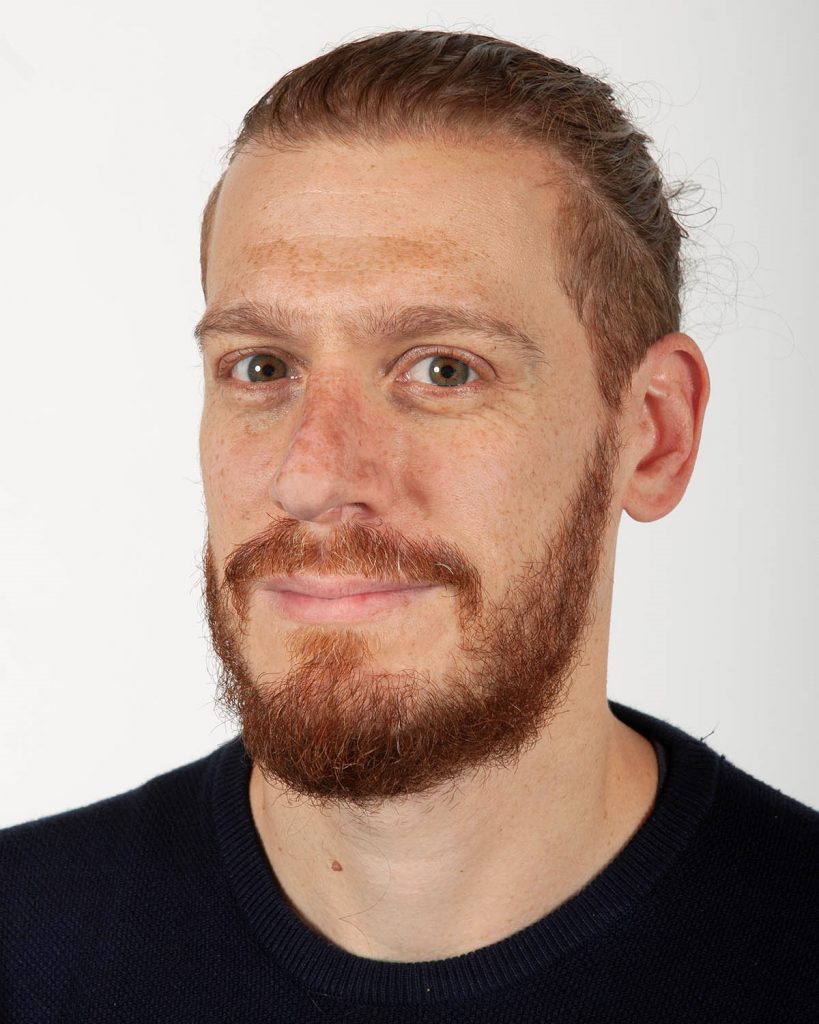
Lorenzo Di Michele (Department of Chemical Engineering and Nanotechnology, University of Cambridge)
The Di Michele group uses DNA and RNA nanotechnology to construct synthetic cells (SynCells)— microscopic reactors that imitate biological cells in both form and function, with potential applications in healthcare, biosensing, and biomanufacturing. DNA- and RNA-based nanostructures can be engineered to self-assemble into functional microcompartments, serving as synthetic organelles that operate within SynCells. Similar synthetic organelles can also be expressed in living cells to modulate their behaviour and metabolism, opening new possibilities in synthetic biology and bioprocessing.
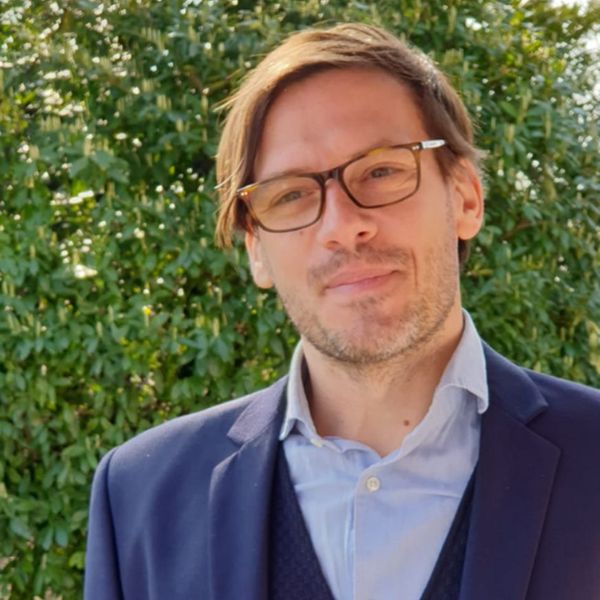
Denis Garoli (University of Modena and Reggio Emilia, Department of Science and Methods for Engineering)
Denis Garoli is Associate Professor at University of Modena and Reggio Emilia (UniMoRe) and since 2014 has been a senior researcher at Italian Institute of Technology (IIT) where he works on the different topic related to single molecule biophysics and biosensing. His group has been involved in several national and international research projects with significant collaboration with leading scientists in multiple fields, from bioengineering to nanotechnology and biotechnology.
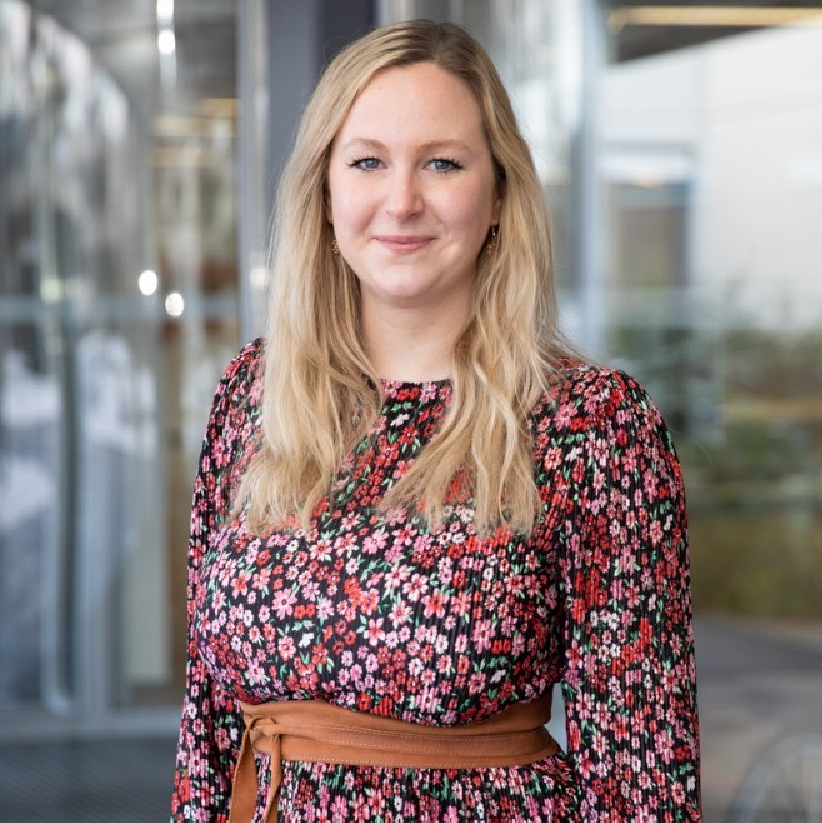
Amelie Heuer-Jungemann (TU Dortmund and Research Center One Health Ruhr)
In the Hybrid BioNanoSystems lab we use DNA origami and specifically DNA origami-silica hybrid nanomaterials for biomedicine and biocatalysis. We are interested in studying, understanding and manipulating protein properties and interactions involved in diseases like cancer and catalytic processes such as CO2 and N2 fixation.
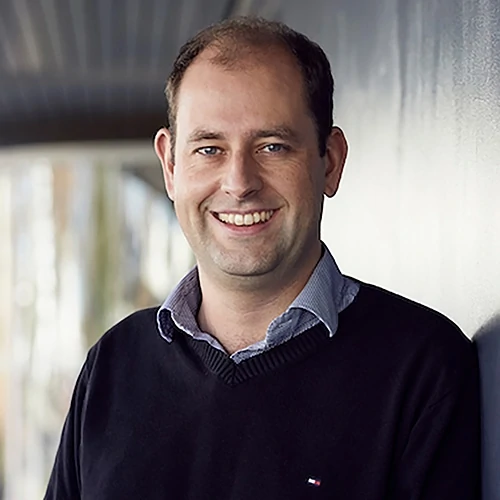
Ralf Jungmann (Center for NanoScience, Faculty of Physics at LMU Munich and MPI of Biochemistry)
tba
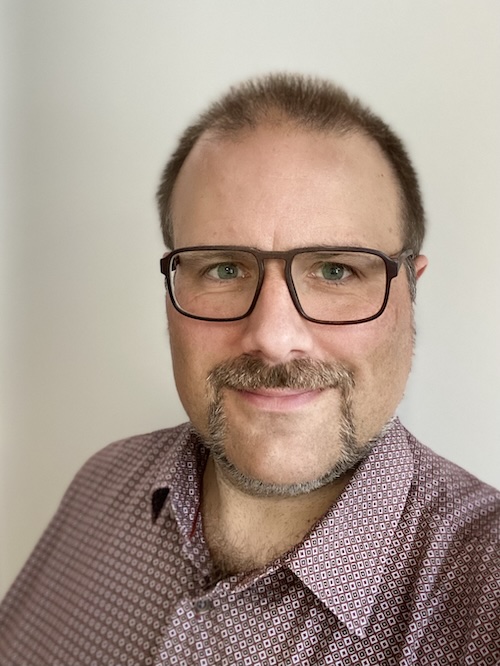
Ulrich Keyser (Cavendish Laboratory, University of Cambridge)
The Keyser Lab are a group of scientists at the Cavendish Lab, University of Cambridge, UK. Our research is focused on understanding transport processes through membranes for biosensing applications. We are mainly interested in understanding RNA, its structure and its relation to biology and disease using a combination of DNA nanotechnology and nanopore sensing.
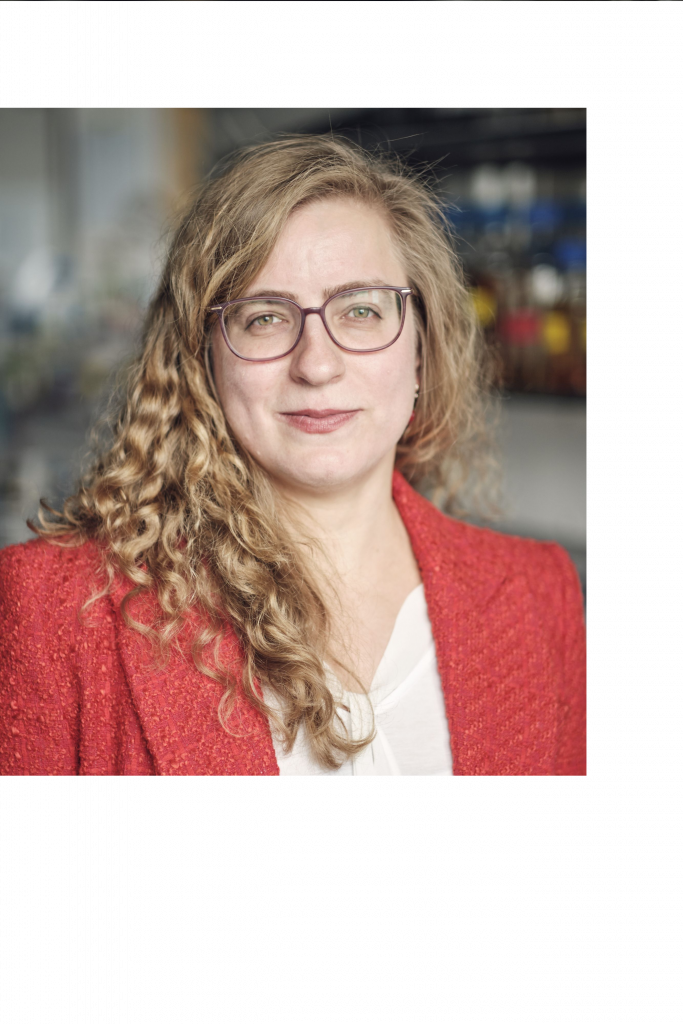
Alena Khmelinskaia (Center for NanoScience and Faculty of Chemistry & Pharmacy, LMU Munich)
The group of Protein Design and Self-Assembly focuses on dissecting the physical principles of protein self-assembly. While conceptually simple, the phenomenon of self-assembly entails a fine equilibrium of a number of physical properties, which determine the dynamics and structure of the assembly architecture. We combine computational de novo protein design with protein production and in vitro biophysical methods to systematically investigate the interplay between different types of interactions in the protein assembly process. Our goal is to create dynamic and responsive protein-based materials that can interface with biological systems, for example through interaction with small-molecules, peptides and nucleic acids.

Veikko Linko (Institute of Technology, University of Tartu)
We use programmable nucleic acid nanostructures for diverse biotechnological applications. Primarily we use viruses, enzymes, nucleic acids, lipids, synthetic polymers, light-sensitive proteins, and metal nanoparticles together with a DNA origami technique to develop novel hybrid (sometimes dynamic) nanostructures and materials
Emmanuel Margeat (Centre de Biologie Structurale, CNRS, Université de Montpellier)
The interplay between shape and function is a unifying principle across biology, engineering and AI-generative design. At CBS Institute, we aim to develop new design frameworks for building functional DNA nanostructures and programmable hybrid protein-DNA shapes that can be applied to biomedical applications.
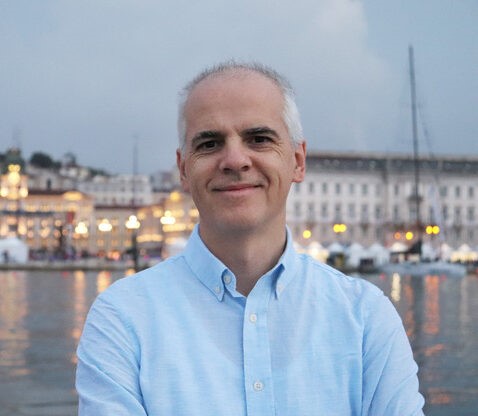
Cristian Micheletti (Statistical and Biological Physics, International School for Advanced Studies SISSA)
In my group, we mainly study topological entanglements (such as knots and links) in biological and soft matter systems. Such systems typically involve long, densely packed filamentous molecules, which inevitably become entangled. We study the implications for static, dynamical, and mechanical properties using coarse-grained models and simulations, frequently in collaboration with partner experimental groups.
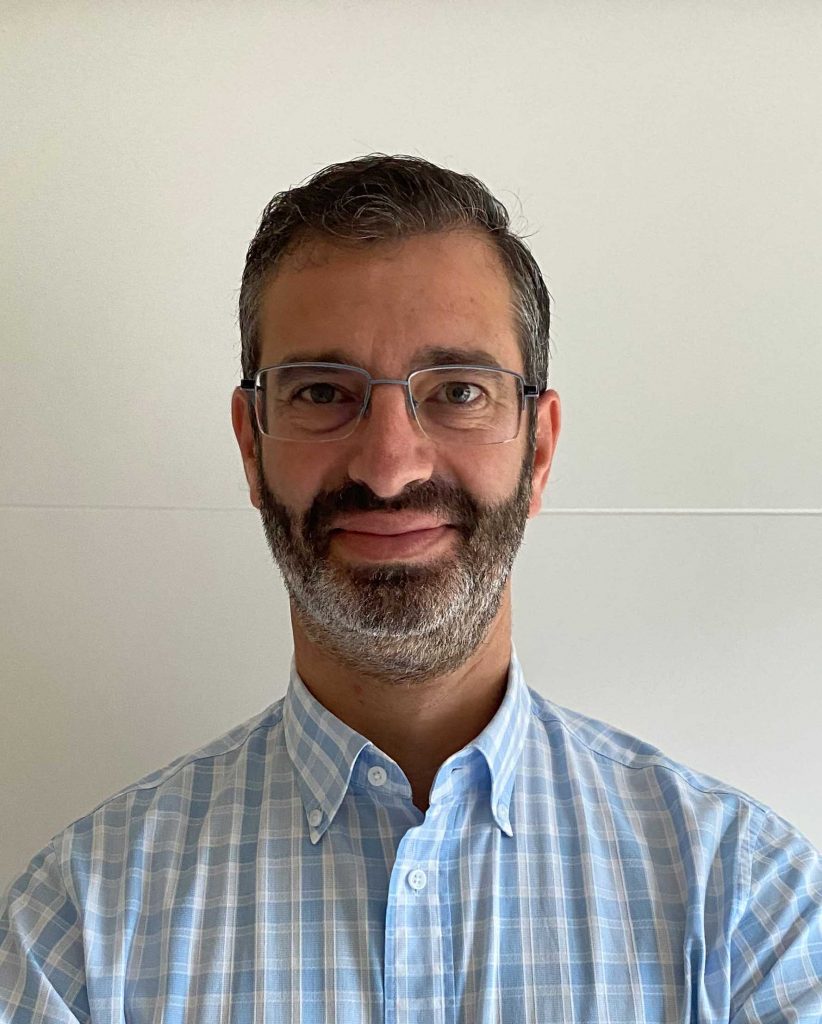
Fernando Moreno-Herrero (National Center of Biotechnology CNB-CSIC, Madrid)
The molecular biophysics of DNA repair nanomachines laboratory at the National Center of Biotechnology (Madrid, Spain), employs state-of-the-art single-molecule technologies to study key biological processes, with a particular emphasis on DNA/RNA–protein interactions and the mechanics of nucleic acids. We use atomic force microscopy imaging and manipulation techniques such as optical and magnetic tweezers, often combined with fluorescence methods. Our research focus on fundamental aspects of DNA replication, organization and repair.
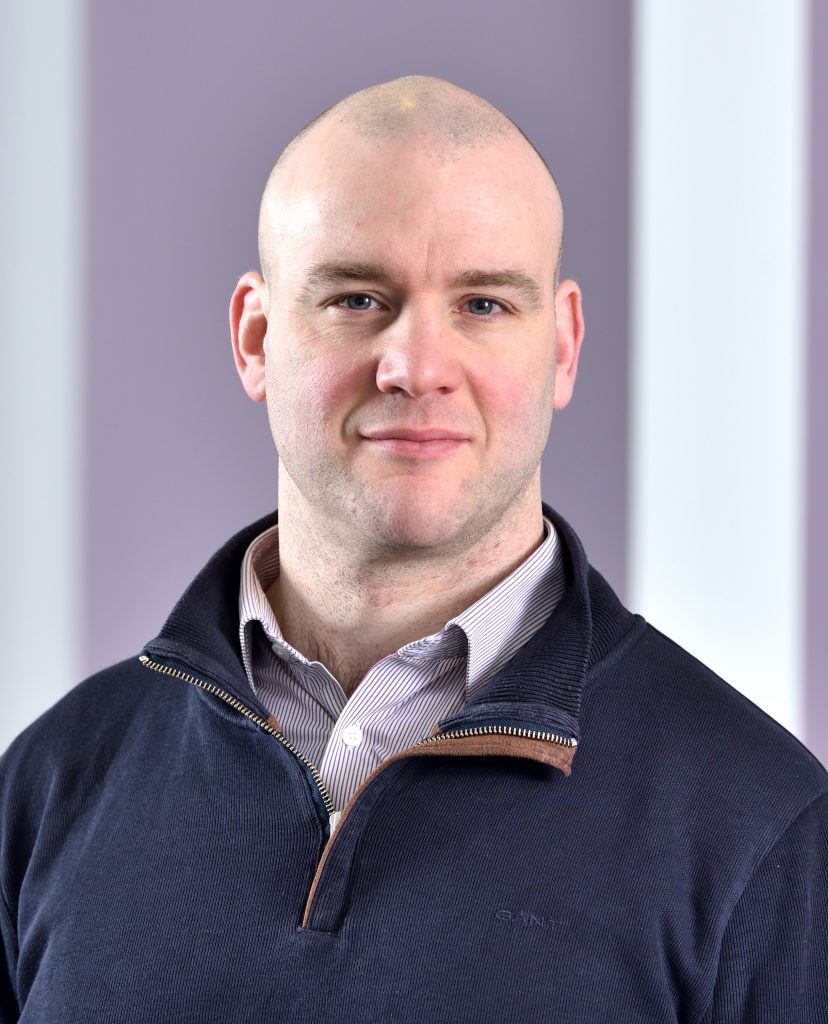
Thomas Ouldridge (Department of Bioengineering, Imperial College London)
I lead the Principles of Biomolecular Systems group within the Centre for Engineering Biology. We combine molecular simulation, physical modelling and experiments to explore the possibilities and fundamental limits of engineered molecular systems and processes.
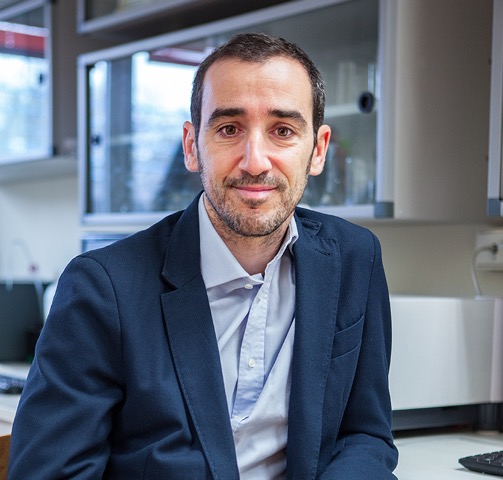
Francesco Ricci (Laboratory of Biosensors and Nanomachines at the University of Rome, Tor Vergata)
The goal of our research is to learn from nature to go beyond the state-of-the-art of biosensors design, point-of-care diagnostic and smart drug release. Our research spans the fields of DNA nanotechnology, bioengineering, supramolecular chemistry and synthetic biology.
In the BIO-HYBRITE project we plan to use protein-DNA conjugates to create nanoscale devices for different applications.
Friedrich Simmel (Department of Bioscience, TUM School of Natural Sciences, TU Munich)
We use biomolecular design and biophysical methods to understand and program molecular and cellular functions from the bottom up.
Philip Tinnefeld (Center for NanoScience and Faculty of Chemistry & Pharmacy, LMU Munich)
With our background in single-molecule detection and superresolution microscopy, we develop new methods and molecular tools to study biomolecular processes, structures and dynamics. It is our ultimate vision to use fluorescence for recording movies of the molecular processes that are the basis of life.
With the progress of using DNA as a nanomaterial (DNA nanotechnology), we also got excited about building modular molecular devices with a variety of functions including molecular signal amplifiers, force sensors, and nanorulers. Such devices are the basis of a fundamental new approach to biosensing and molecular robotics.